


-

Add: HeBei ShengShi HongBang Cellulose Technology CO.,LTD.
-

Email
13180486930@163.com -

CONTACT US
+86 13180486930
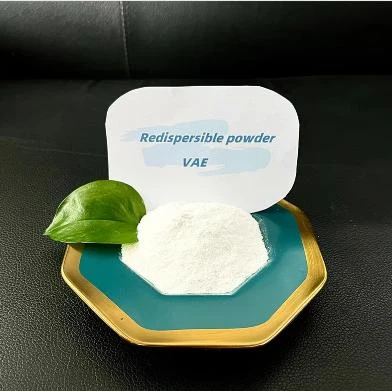
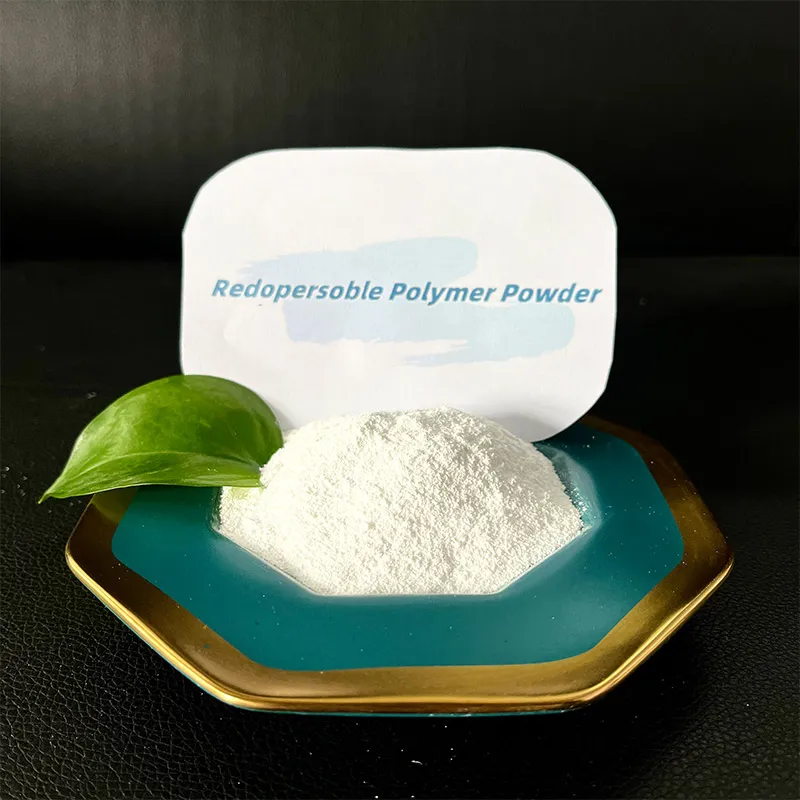

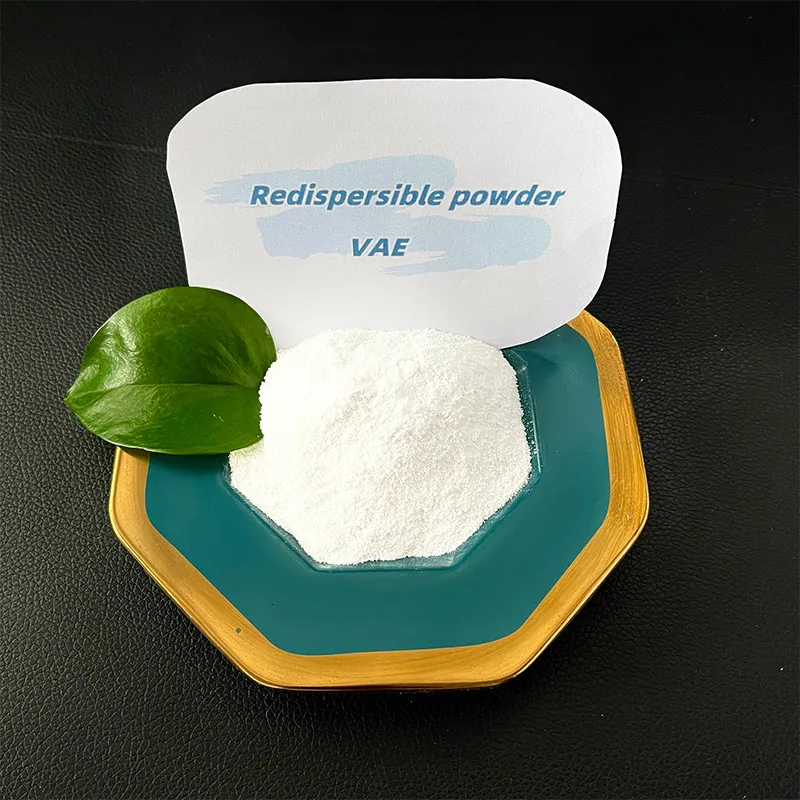

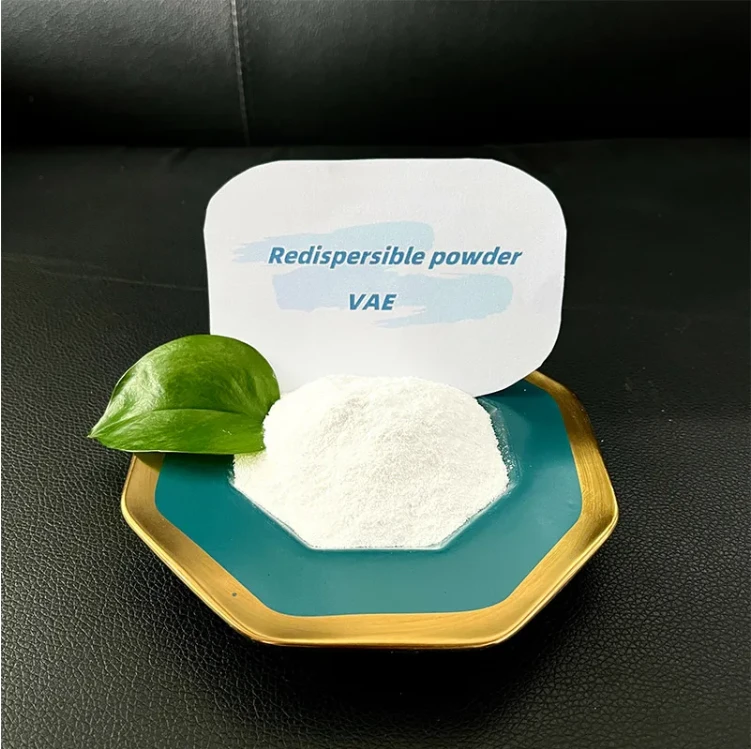


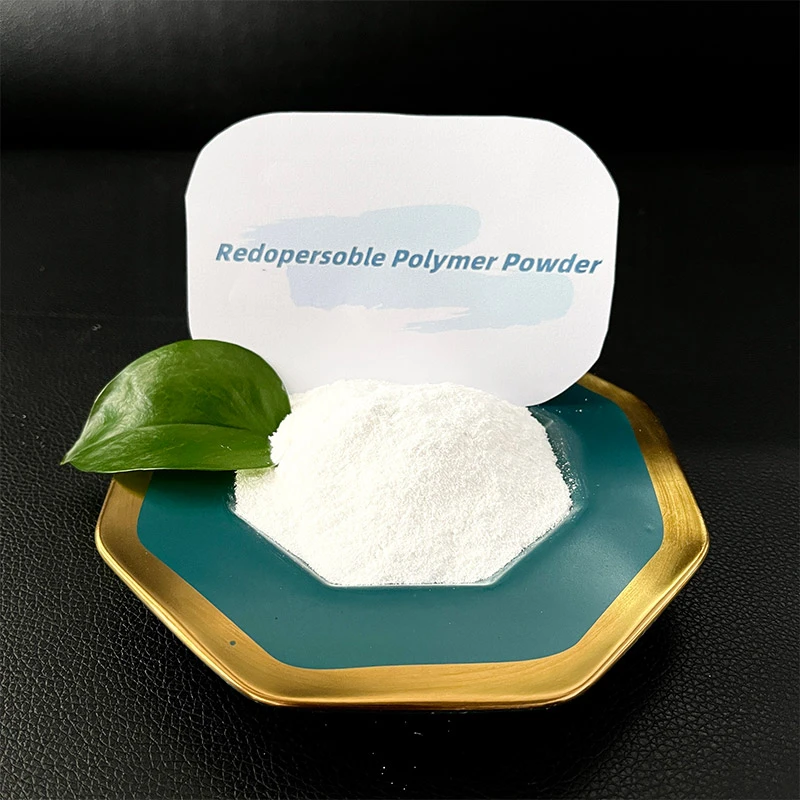
Polimer Un Taği Zamonaviy Texnologiyalar va Qishloq Xo‘jaligida Qo‘llanilishi Polimer un taği, zamonaviy materiallar muhitida muhim o‘rin tutadi. U polimerlarning mikroskopik qismlaridan tashkil topgan bo‘lib, ko‘plab sohalarda qo‘llaniladi, ayniqsa qishloq xo‘jaligida. Ushbu maqolada polimer un tağinin nimadan iboratligi, uning xususiyatlari va afzalliklari haqida so‘z yuritamiz. Polimer un taği, asosan, plastik materiallardan yaratiladi. Un taği sifatida qo‘llanilishidan maqsad, qishloq xo‘jaligida tuproqni yaxshilash, o‘simliklarni himoya qilish va yig‘im-terim jarayonlarini soddalashtirishdir. Bu materiallar nafaqat o‘simliklar uchun ozuqa manbai bo‘lib xizmat qiladi, balki tuproqning fizik va kimyoviy xususiyatlarini ham yaxshilaydi. . Bundan tashqari, polimer un taği tuproqni mahkamlaydi va uning strukturaviy yaxlitligini ta’minlaydi. Bu, o‘simliklarning ildiz tizimining yanada yaxshi rivojlanishiga yordam beradi. Tuproqning tuzilishi yaxshi bera olishi va havo almashinuvi yaxshi bo‘lishi natijasida, o‘simliklar sog‘lom va kuchli bo‘lib o‘sadi. полимер ұнтағы Polimer un taği, shuningdek, tuproqning kimyoviy xususiyatlarini yaxshilashda ham muhim rol o‘ynaydi. U tuproqdagi minerallarni va boshqa oziq moddalarni eng qiyin sharoitlarda ham saqlab qolish imkonini beradi. Natijada, o‘simliklar uchun zarur bo‘lgan ozuqa moddalarining samarali singishi ta’minlanadi. Qishloq xo‘jaligi sohasida polimer un tağini qo‘llash nafaqat o‘simliklarning samarali o‘sishini ta’minlaydi, balki bu jarayonni iqtisodiy jihatdan ham foydali qiladi. O‘simliklar yuqori hosil berishiga olib kelishi, fermerlar uchun moliyaviy jihatdan foydali bo‘ladi. Shuningdek, bu usul qishloq xo‘jaligida resurslarni tejashga yordam beradi, chunki suv va yeyish quvvatlari ancha samarali ishlatiladi. Shuni ta’kidlash kerakki, polimer un tağinin iste'moli va ishlatilishi ekologik jihatdan ham xavfsizdir. Tobora ko‘proq fermerlar va agronomlar bu materialni tanlaydilar, chunki u tuproqning ekotizimini buzmaydi va tabiatga zarar yetkazmaydi. Demak, polimer un taği nafaqat odamlar uchun, balki atrof-muhit uchun ham foydali materialdir. Xulosa qilib aytganda, polimer un taği zamonaviy qishloq xo‘jaligida juda muhim va foydali materialdir. Uning suvni ushlab turish, tuproqni yaxshilash va o‘simliklar hosilini oshirishdagi o‘rni har bir fermer va agronom uchun ahamiyatlidir. Polimer un tağini qo‘llash orqali qishloq xo‘jaligida samaradorlikni oshirish, istiqbolli kelajakni yaratish mumkin.
- 40000tons

Production
- 20+years

Experience
- 5000+㎡

Acreage

-

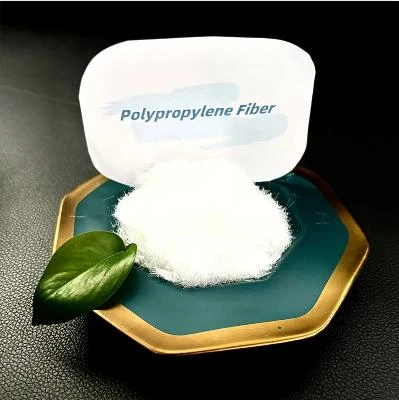
The Emergence and Significance of Manufactured Fiber in the Textile Industry Manufactured fibers, commonly referred to as synthetic fibers, play a pivotal role in the modern textile industry. These fibers, created through chemical processes, differ significantly from natural fibers such as cotton, linen, or wool. Their unique properties, versatility, and the ability to cater to specific consumer needs have solidified their position in the fabric market. The Emergence and Significance of Manufactured Fiber in the Textile Industry One of the key advantages of manufactured fibers is their ability to be engineered for specific functionalities. For instance, polyester is widely known for its strength and resistance to shrinking and stretching, making it an excellent choice for outdoor and performance wear. Similarly, nylon offers exceptional elasticity and resilience, which is why it is commonly used in activewear and lingerie. Innovations in fiber technology have resulted in products like moisture-wicking fabrics, anti-microbial treatments, and UV-resistant textiles, catering to the evolving demands of consumers who seek durability and specialized performance in their clothing. fibra manufacturada Moreover, the economic implications of manufactured fibers are substantial. As the global demand for textiles continues to grow, the capacity to produce synthetic fibers at scale provides manufacturers with the ability to meet a variety of market needs efficiently. These processes are often less labor-intensive compared to the cultivation of natural fibers, which can be affected by environmental conditions and rely heavily on agricultural practices. The consistent output and lower production costs associated with manufactured fibers create a more stable market environment, contributing to the overall economy in terms of job creation and industry development. However, the rise of manufactured fibers has not been without controversy. Environmental concerns regarding the production and disposal of synthetic fibers have been increasingly scrutinized. The petroleum-derived nature of many synthetic fibers raises questions about sustainability, as these materials contribute to pollution and are typically non-biodegradable. Efforts to address these challenges have sparked innovations in recycling and the development of bio-based synthetic fibers that aim to minimize the carbon footprint of textile production. Brands focusing on sustainability are now investing in closed-loop systems to recycle polyester and other synthetic materials, thus reducing waste and promoting a more circular economy. In addition to the environmental challenges, there is also a growing consumer consciousness regarding the impact of manufactured fibers on skin health. Some individuals may experience irritation or allergic reactions to synthetic materials, leading to a demand for hypoallergenic options. As a response to these concerns, manufacturers are developing new fibers that combine the benefits of synthetic materials with the qualities of natural fibers, such as breathability and softness. In conclusion, manufactured fibers have profoundly influenced the textile industry by providing versatile, high-performance alternatives to natural fibers. While they present challenges in terms of sustainability and consumer health, ongoing innovations and a shift toward more environmentally friendly practices indicate a promising future for these materials. As technology and design continue to evolve, the textile landscape will undoubtedly reflect a balance between the advantages of manufactured fibers and the growing need for responsible consumption and production practices. The journey of manufactured fibers from inception to present-day use highlights the dynamic nature of fashion and textile development, driven by both necessity and innovation.
-
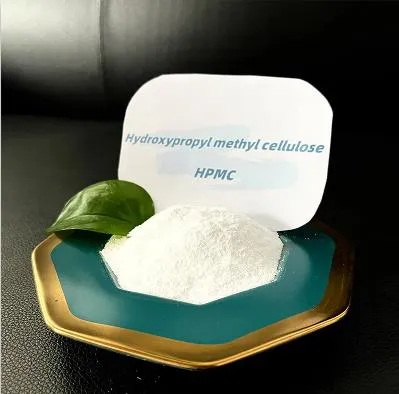
Hydroxypropyl methylcellulose (HPMC) is a versatile compound commonly used in various industries, ranging from pharmaceuticals to construction. With years of experience in the field, I have witnessed firsthand how the unique properties of HPMC make it an invaluable asset in product formulation. In the pharmaceutical industry, HPMC serves as a pivotal component due to its excellent biocompatibility and ability to form films. The compound acts as an excipient in controlled-release formulations, enhancing drug solubility and bioavailability. As someone deeply involved in drug development, I've seen HPMC improve drug stability while ensuring consistent therapeutic effects, which is crucial for patient safety and efficacy. Beyond pharmaceuticals , HPMC plays a crucial role in the food industry. Its non-toxic nature and ability to retain water make it an ideal emulsifier and thickening agent. HPMC can improve the texture and shelf life of food products, and its dietary fiber properties offer potential health benefits. My personal experiences working with HPMC in various food formulations reinforce its reliability and versatility in ensuring product quality and consumer satisfaction. In the realm of construction, HPMC offers significant benefits as a key ingredient in cement and mortar mixes. Its use enhances workability, water retention, and curing time of the products, thereby increasing durability and structural integrity. As an expert in construction materials, I have observed that the use of HPMC can significantly reduce material costs while maintaining high performance, which is a priority in the industry. hpmc is HPMC's application extends to personal care products as well. It serves as a thickening agent and stabilizer in creams, lotions, and shampoos. Given my involvement in product development within this domain, I can attest to HPMC's ability to improve product texture and stability, ensuring a pleasant user experience while maintaining efficacy. Extensive research supports HPMC's safety and effectiveness across these industries. The compound's biocompatibility and biodegradability contribute to its sustainability, aligning with the growing global emphasis on environmentally friendly materials. This authoritative evidence reassures manufacturers and consumers alike of its reliable performance. Trustworthiness in product formulation is paramount, and HPMC consistently delivers. Regulatory bodies such as the FDA and EMA acknowledge its safety for use in specified applications. This regulatory endorsement, combined with comprehensive scientific literature, underscores its credibility and instills confidence in its use. In summary, the multifaceted applications of HPMC across various industries highlight its indispensable role in modern product development. My extensive experience and expertise affirm its importance in formulating safe, effective, and high-quality products. As industries continue to evolve, HPMC's adaptability and proven performance will undoubtedly support innovation and excellence.
advantages
-

200000 Viscosities
Excellent product
We can produce pure products up to 200,000 viscosities
-

40000 tons
High yield
We don’t stop production all year round, and the annual output can reach 40,000 tons
-

24 hours
Quality service
We provide 24-hours online reception service, welcome to consult at any time
———— Inquiry Form
Schedule A services

-
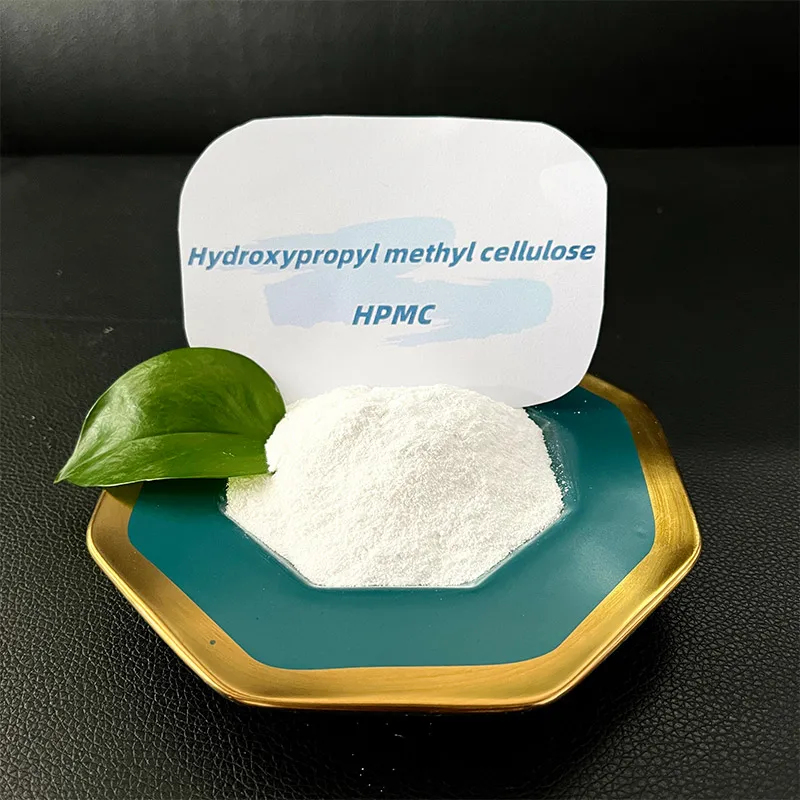 hpmc_in_pharma
Oct . 25, 2025
Hydroxypropyl methylcellulose (HPMC), a multifunctional polymer, serves as a key excipient in tablet -
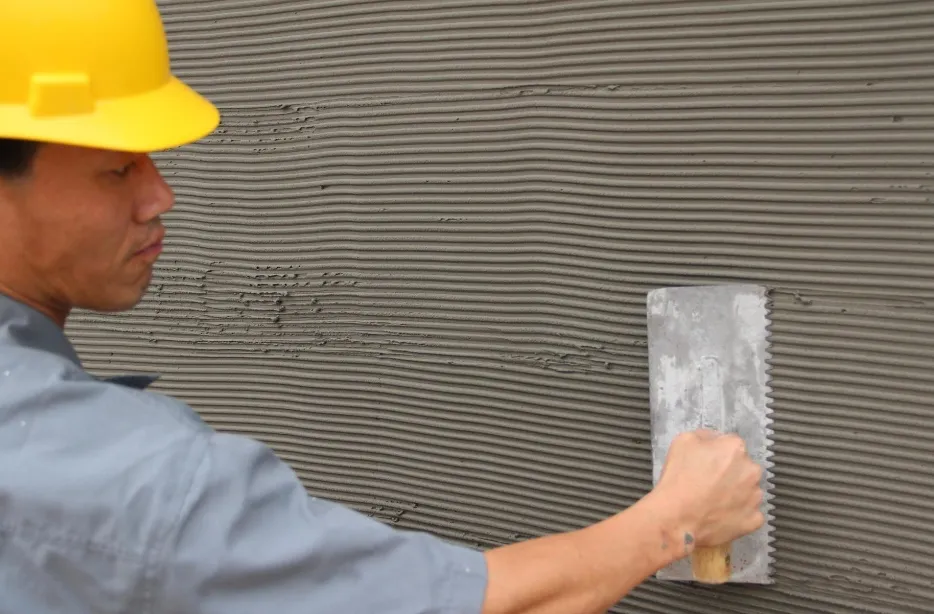 hpmc_e5_molecular_weight
Oct . 25, 2025
The emergence of HPMC nasal spray as a potential tool in the fight against COVID-19 has garnered sig -
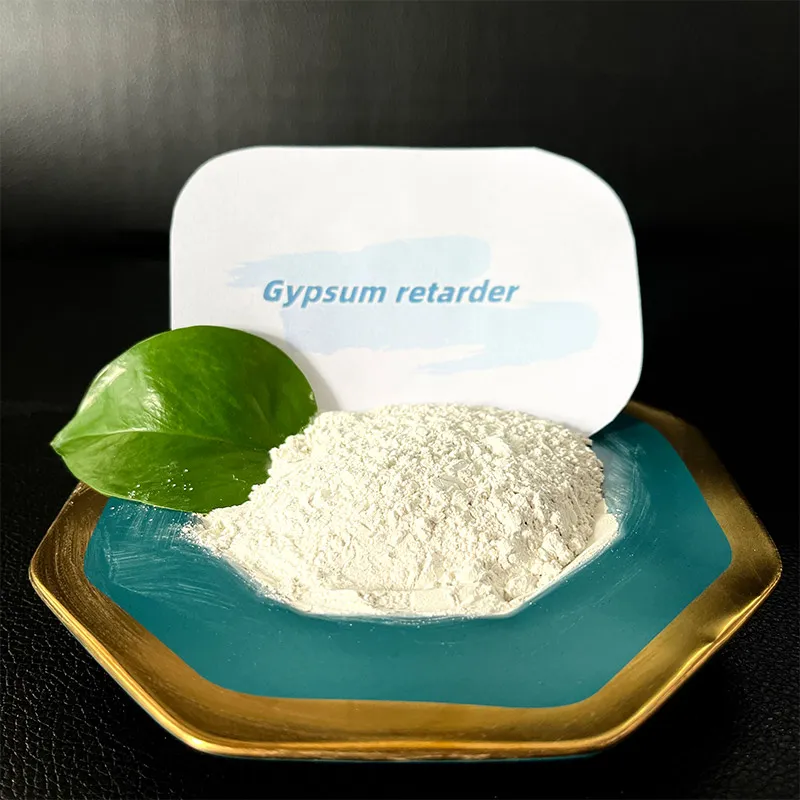 hydroxyethyl_methyl_cellulose_hemc
Oct . 25, 2025
Rubber powder, an increasingly significant material in various industrial applications, exhibits uni


